

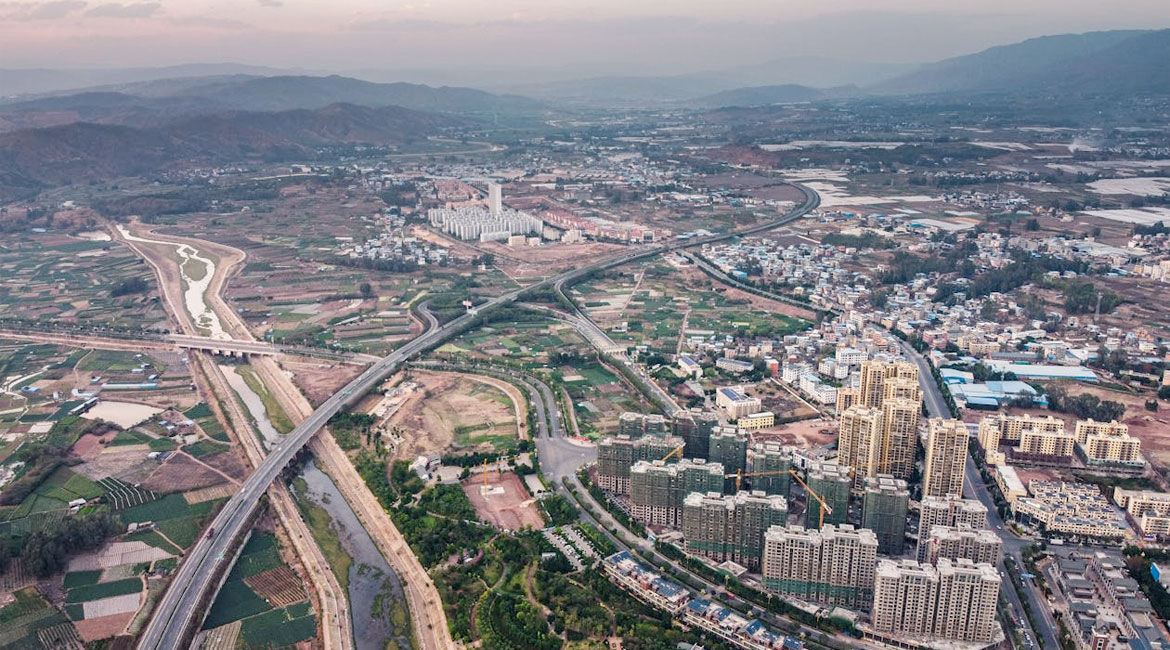
In 2026, the global economy continues to show a clear divergence between the performance of emerging markets and that of advanced economies. Forecasts consistently indicate that 2026 emerging markets lead with GDP exceeding 4% compared to developed economies, reinforcing a long‑term shift in global economic influence toward developing regions. As structural reforms, favorable demographics, and rising consumption reshape growth patterns, emerging markets stand out as the primary drivers of global expansion.
A widening growth gap across global economies
According to the International Monetary Fund (IMF), global growth is projected to ease slightly to 3.1% in 2026, although this overall figure conceals a significant gap between economic blocs. Advanced economies are expected to grow by roughly 1.5%, reflecting subdued productivity, aging populations, and the lingering effects of tighter financial conditions. Meanwhile, emerging market and developing economies (EMDEs) are set to expand by just above 4%, maintaining resilience despite global headwinds.
Further analysis from Economics Insider supports this divergence. Their assessment projects that emerging markets will grow by around 4.0% in 2026, compared with only 1.6% in advanced economies. This growing gap illustrates why many experts emphasize that 2026 emerging markets lead with GDP exceeding 4% compared to developed economies, reflecting a structural realignment that continues to shape the global economic landscape.

Regional drivers: Asia and Africa accelerate ahead
Asia remains the most dynamic region within the emerging‑market group, with several countries contributing significantly to overall performance. India stands out as the fastest‑growing major economy, with its GDP expected to rise by 6.2% in 2026, driven by infrastructure expansion, digital innovation, and strong domestic demand. As one of the world’s largest economies, India’s growth provides a substantial boost to the broader emerging‑market category.
China also continues to play a central role. Although its growth rate has moderated compared with earlier decades, China is still projected to grow by 4.2% in 2026, supported by manufacturing capabilities, structural reforms, and stable consumption. Even with its slowdown, China remains a major driver of global economic growth and a crucial component of the emerging‑market outlook.
Africa is also gaining prominence as a key growth zone. Sub‑Saharan Africa is forecast to expand by 4.4% in 2026, fueled by investment inflows, expanding digital access, and growing consumer markets. Nigeria, one of the region’s largest economies, is expected to post 4.2% growth, underscoring its resilience despite fiscal challenges.
Structural factors supporting emerging‑market performance
StartUs Insights notes that emerging markets will account for nearly two‑thirds of global growth by 2026, expanding almost three times faster than advanced economies. Several structural factors explain this strong and sustained performance. Demographic advantages—particularly in South Asia and Africa—continue to support expanding labor forces and growing consumer demand. Rapid digital transformation is improving financial inclusion and enabling new business models, especially in mobile‑first economies.
Additionally, the realignment of global supply chains is creating new opportunities for countries such as Mexico and Vietnam, which are benefiting from nearshoring and friend‑shoring strategies as companies reduce reliance on single‑country manufacturing bases. Infrastructure modernization across many emerging markets is strengthening long‑term competitiveness, while domestic policy reforms are improving business environments and investment conditions.
Global implications: a shift in economic influence
Together, these developments indicate a continued shift in global economic power toward emerging markets. As advanced economies face demographic stagnation and weaker productivity growth, EMDEs increasingly serve as the foundation of global expansion. Their strong performance reinforces the reality that 2026 emerging markets lead with GDP exceeding 4% compared to developed economies, a trend that is likely to persist as structural shifts deepen over the coming decade.